Maimonides’ Center for Sleep Disorders offers comprehensive sleep medicine services to support diagnosis and long-term management for both adult and pediatric patients, combining clinical expertise with updated technology and a patient-centered approach to improve access, turnaround times, and overall patient experience.
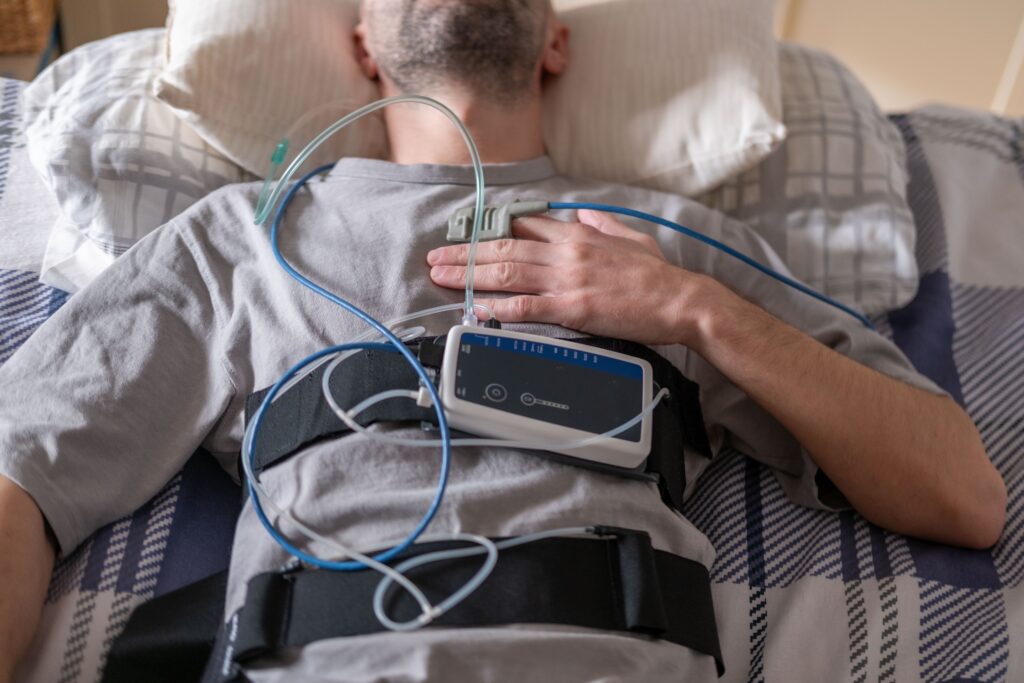
This year, the program has expanded access to care significantly through the growth of its at-home sleep study program for both children and adults.
“It’s estimated that up to 80% of cases of adult sleep apnea are undiagnosed, which leads to major health risks including hypertension, cardiovascular disease, stroke, diabetes, fatigue-related accidents, mood disorders, and poorer overall quality of life,” said Lourdes Flaminiano, MD, Director of Maimonides’ Pulmonary Function Lab and board-certified sleep medicine physician. “Early diagnosis and treatment are important to reduce these long-term effects, and expanding at-home sleep tests makes the diagnostic process much more comfortable and accessible for patients.”
Sleep disorders may also contribute to worsening chronic conditions that a patient may already have or be predisposed to, such as heart disease, diabetes, pulmonary disease, anxiety, and depression.
Testing at home increases comfort, adherence to diagnostic process
The growth of home sleep testing has been supported in recent years by improved technology. At Maimonides, sleep medicine teams have increased availability of these tests for patients through operational improvements including implementation of electronic ordering directly from the EMR to the Center for Sleep Disorders, reducing reliance on faxed referrals, and creating a more streamlined scheduling and coordination process for patients and referring providers.
At-home sleep studies are typically appropriate for patients with a high suspicion for obstructive sleep apnea and without complex medical conditions. They allow patients to complete testing comfortably in their own home, which can help providers get a better picture of regular sleeping habits.
“Many patients prefer testing in their home environment, which may improve comfort and compliance,” said Odai Sinokrot, MD, Maimonides pulmonologist. “Expanding home testing also allows the Sleep Center to accommodate a larger number of patients while maintaining timely access to care.”
In-lab sleep studies are generally recommended for more complex cases, including patients with neurological disorders, severe cardiopulmonary disease, suspected central sleep apnea, or movement disorders, or when additional monitoring is required.
Individualized treatment backed by multispecialty expertise
After sleep studies are completed, the sleep medicine team determines the type and severity of sleep disorder present, creating a treatment plan centered around the needs of each patient.
Depending on the diagnosis, treatment may include:
- Continuous positive airway pressure (CPAP) therapy
- Lifestyle modifications
- Weight management
- Positional therapy
- Oral appliances like mouth guards
- Medications
- Surgical and minimally invasive procedures, if necessary
The sleep medicine team also emphasizes multidisciplinary collaboration with experts from across the health system, including specialists in pulmonology, neurology, otolaryngology, cardiology, psychology, and bariatrics, as well as pediatric specialists including pediatric pulmonology, pediatric neurology, and pediatric otolaryngology. This multidisciplinary approach helps ensure comprehensive care for both adult and pediatric patients with sleep disorders and complex medical conditions.
Working together with primary care providers to deliver long-term solutions
Primary care providers should consider referral for patients with the following symptoms:
- Loud snoring
- Excessive daytime sleepiness
- Witnessed apneas
- Morning headaches
- Resistant hypertension
- Obesity
- Chronic fatigue
- Poor sleep quality
For pediatric patients, providers should consider referral for:
- Snoring
- Behavioral concerns
- Attention difficulties
- Poor school performance
- Restless sleep
- Frequent awakenings
- Enlarged tonsils and adenoids
- Suspected sleep-disordered breathing
“For both adults and children, the effects of sleep apnea and other sleep disorders can be far-reaching, and because symptoms like tiredness and poor general health markers can be hard to pin to one specific cause, they can be difficult to address from a primary care standpoint,” said Yizhak Kupfer, MD, Director of Adult Sleep Medicine and board-certified sleep medicine physician. “An at-home sleep test can present a lower barrier to care than an in-office test on both the patient and provider end, making it easier to narrow down or even rule out obstructive sleep apnea. This helps patients get answers and address these quality-of-life symptoms sooner.”
The Sleep Center maintains communication with referring providers regarding diagnosis, treatment recommendations, and ongoing management, with the goal of supporting continuity of care and long-term improvement in patients’ sleep health and overall medical conditions.
Learn more about Maimonides’ Center for Sleep Disorders. To schedule an appointment or refer a patient, please call 718-283-2900.