With obesity rates rising nationwide, more patients are interested in bariatric or gastric weight loss procedures. A Bariatric Surgery Center of Excellence, Maimonides Health is now home to a dedicated bariatric physical therapy program to support patients before and after gastric surgery. These procedures are safe and effective—and physical therapy before and after surgery can help patients experience their best outcomes.
To help patients achieve their long-term goals, Maimonides recently added physical therapy support for medically supervised weight loss through a collaboration among the Department of Rehabilitative Medicine and Speech Pathology, the Department of Bariatric Surgery, and the Department of Endocrinology. The service supports patients before and after weight loss surgery, as well as patients who use GLP-1 medications as part of their treatment plan.
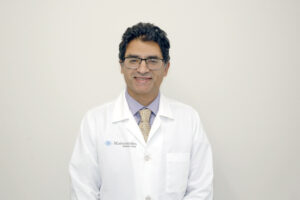
“Our program provides a starting point,” said Renat Myaskovskiy, DPT, VRC, a certified vestibular rehabilitation therapist and manager of outpatient physical and occupational therapy in Maimonides’ Department of Rehabilitative Medicine. “Every bariatric patient should get a physical therapy referral both before and after surgery. Many patients have knee pain, back pain, or joint strain from excess weight. Some have been sedentary and don’t have a history of active exercise. Physical therapy helps them exercise safely, build confidence, and prepare for the next step in their care.”
The importance of pre- and postsurgery physical therapy
Patients can benefit from physical therapy before and after weight loss surgery, according to Dr. Myaskovskiy. The key to success is customizing the therapy program.
“Generally, any patient who needs a supervised exercise program to help with weight loss or to exercise in a safe environment is a good candidate for physical therapy as long as they’re medically stable,” he said. “To boost the effectiveness of every program, we individualize them all to the patient’s personal goals.”
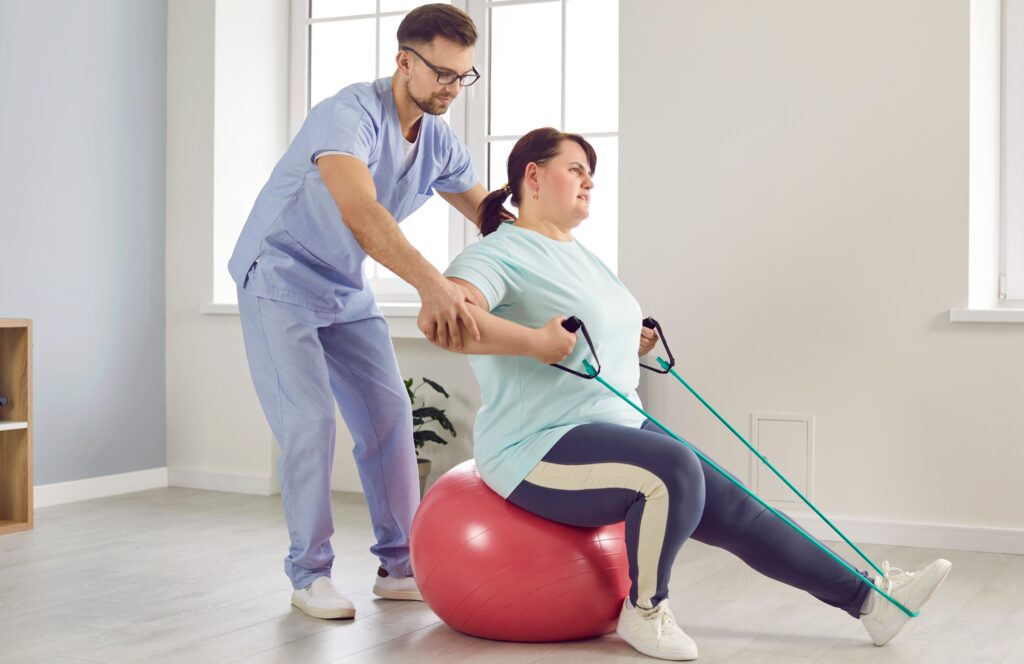
Each patient receives a plan based on their medical status, goals, and comfort level. For example, before surgery, some patients can improve their stamina through physical therapy programs that include:
- Cardiovascular exercise to increase endurance
- Light aerobic exercise for greater flexibility
- Strength training to build muscle
After surgery, the team carefully designs programs to teach patients safe exercises that support their physical improvement while reducing the risk of injury.
Dr. Myaskovskiy says Maimonides experts take a collaborative approach when creating physical therapy programs for patients taking GLP-1 inhibitors for weight loss. They work closely with the patient’s primary care provider to identify additional precautions and avoid medication complications.
A comprehensive approach to physical therapy
Maimonides experts take a multipronged approach to support every patient’s weight loss journey. Each unique program—home based or in-clinic—combines advanced equipment with specific exercises tailored to individual needs, according to Dr. Myaskovskiy.
Innovative equipment
Maimonides’ bariatric physical therapy plans often involve patient-friendly tools, including:
- Bariatric tables: reinforced and height-adjustable for safer evaluation and assisted exercise
- Elliptical machines: provide preprogrammed and customizable cardiovascular workouts, place less pressure on patients’ joints, and allow physical therapists to monitor and adjust workout resistance and intensity
- Squat racks: mimic a gym-like weight-training environment
- Standing ellipticals and treadmills: support more intense activities, like running
Lifestyle changes
Increased physical activity is only one component of pre- and postsurgery physical therapy. Adopting healthy lifestyle behaviors can be equally important, Dr. Myaskovskiy said. To support these changes, Maimonides physical therapists partner with other providers in the patient’s care team.
“We work closely with the dietary wing of the bariatric program, as well as the Department of Endocrinology,” he says. “We advise patients within our scope of practice about positive lifestyle changes, such as sleep, social support, and exercise.”
Pain-relieving techniques
Pain control is critical to helping patients stick with a physical therapy regimen. To minimize discomfort, Maimonides experts may use strategies like:
- Electrical stimulation: a technique that uses mild electrical currents to target muscles for quicker recovery or nerves to decrease pain
- Soft-tissue mobilization: a therapy that uses deep pressure and stretching to relax tight muscles and release built-up fluid that causes pain or inflammation in tissues
The Maimonides impact
Maimonides’ Department of Rehabilitative Medicine has a long history of delivering comprehensive, targeted physical therapy services. From cardiac rehabilitative care to orthopedic rehab for Achilles tendon repair and hip or knee replacements, the physical therapy team delivers a wide range of evidence-based services. The new bariatric physical therapy program makes these treatments accessible to patients who need guidance and support as they increase their activity level.
Dr. Myaskovskiy said patients have experienced positive outcomes since the program opened earlier this year.
“We expose our patients to safe and appropriate exercises. They’re happy to get answers to questions other doctors or healthcare professionals may not have had the chance to answer. Many have been nervous about going back to the gym either for lack of knowledge or because they’re self-conscious,” he said. “But physical therapy is an entirely judgment-free zone. It’s a great starting point to build skill and confidence.”
Learn more about the Maimonides Weight Management Center and rehabilitation at Maimonides. To make an appointment or refer a patient for bariatric physical therapy, call 718-283-6962.