
Meet the clinicians presenting at this year’s Annual Brooklyn Neurology Symposium.
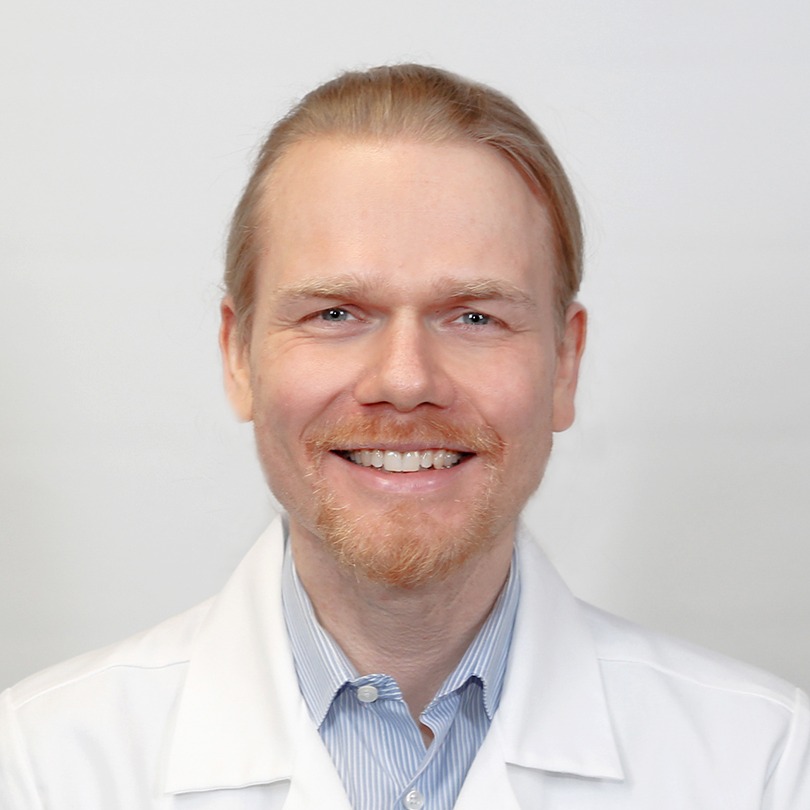
Christian Amlang, MD
Attending Physician, Maimonides Medical Center
Assistant Professor of Neurology, SUNY Downstate Health Sciences University
Dr. Amlang is a neurologist specializing in the diagnosis and treatment of movement and functional neurologic disorders. Dr. Amlang is from Germany where he grew up in the beautiful city of Dresden. He went to medical school at the Charité in Berlin as well as at the Université Paris Descartes and the Université Pierre et Marie Curie in Paris. Fascinated by the field of movement disorders and the intersection between neurology and psychiatry, he trained at various distinguished neurologic institutes around the globe including in Chicago, Dublin, Paris and Berlin. After medical school, Dr. Amlang completed residency at Jacobi Medical Center and Yale New Haven Hospital before joining Columbia University as a movement disorders fellow to finish his training. He is an avid reader and passionate traveler.
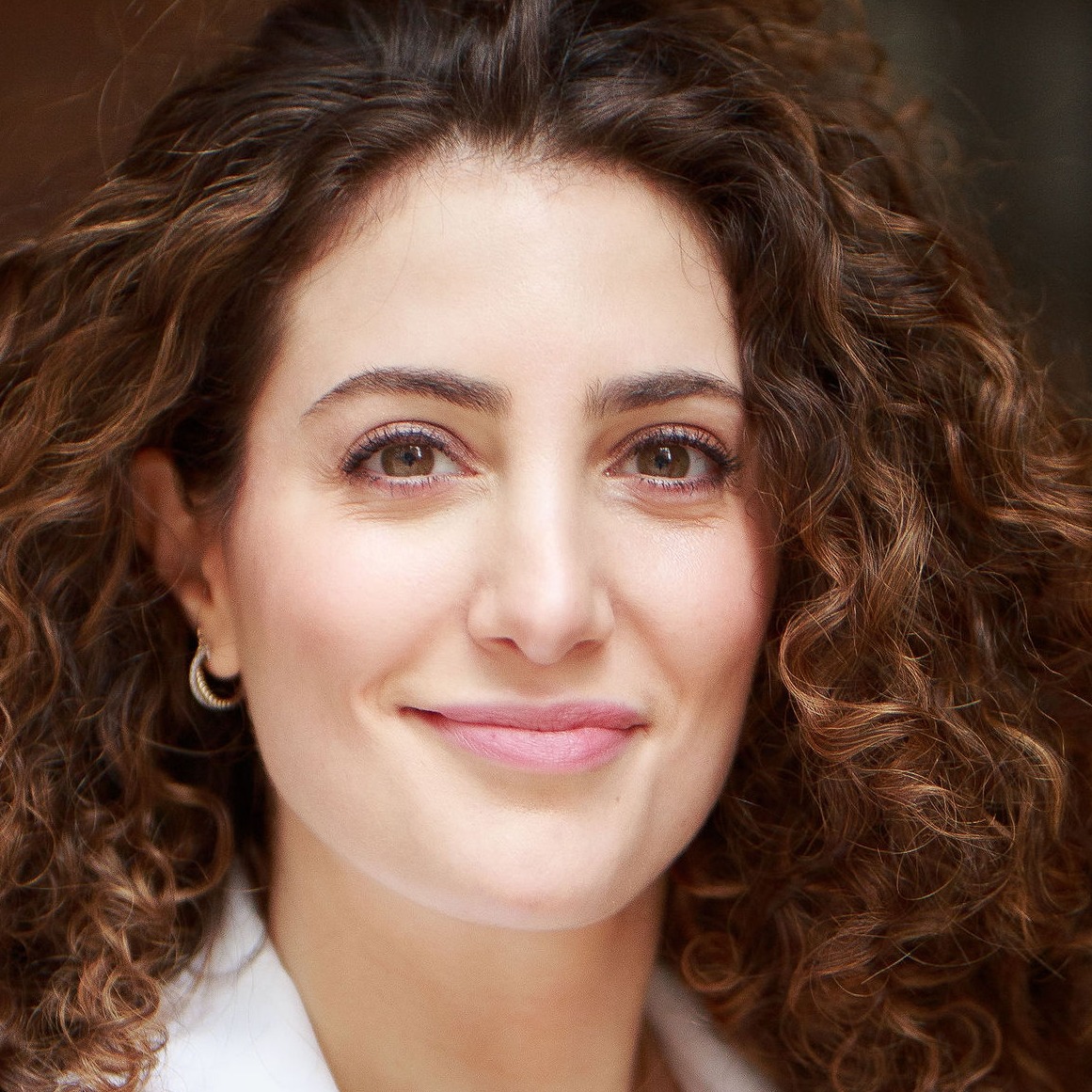
Leah Croll, MD, DipABLM
Attending Physician, Jaffe Comprehensive Stroke Center Maimonides Medical Center
Assistant Professor of Clinical Neurology, SUNY Downstate Health Sciences University
Leah Croll, MD, DipABLM, is a neurologist, lifestyle medicine specialist, and medical communicator. Dr. Croll is an Assistant Professor of Neurology at the SUNY Downstate Health Sciences University and attending neurologist at Maimonides Medical Center in Brooklyn, NY. She completed her neurology residency and stroke fellowship at NYU Langone Health. Dr. Croll is board-certified in neurology, vascular neurology, and lifestyle medicine. Aside from clinical practice in neurology and lifestyle medicine, she is a medical journalist. She has covered a broad range of health and neuroscience stories for the BBC, Good Morning America, ABC News, CNN, NBC News, CBS News and more. She is passionate about fighting medical misinformation in the media and is especially interested in dispelling brain health wellness myths.
Marc Dinkin, MD
Associate Professor of Ophthalmology, Neurology and Ophthalmology, Weill Cornell Medical College
Dr. Marc Dinkin is an Associate Professor of Neurology and Ophthalmology at Weill Cornell Medical College. After graduating from Harvard University and Weill Cornell Medical College, he completed his neurology residency at NewYork-Presbyterian Hospital where he was also chief resident. Following that, he completed a clinical fellowship in neuro-ophthalmology at the Massachusetts Eye and Ear Infirmary in Boston, MA.
Dr. Dinkin has published numerous papers and chapters on topics in his fields including neuromyelitis optica, nystagmus, ischemic optic neuropathy and diagnostic imaging. He has presented abstracts at local, regional, and national conferences in neuro-ophthalmology and neurology. He also serves as an ad hoc reviewer for several major journals in the field. Dr. Dinkin is also an invited lecturer at the Lancaster Course in Ophthalmology, the Greater New York Ophthalmology Clinical Lecture Series, the New England Ophthalmological Society and has been awarded numerous awards for teaching and clinical care as well as the Rabkin Fellowship in Medical Education at Harvard Medical School.
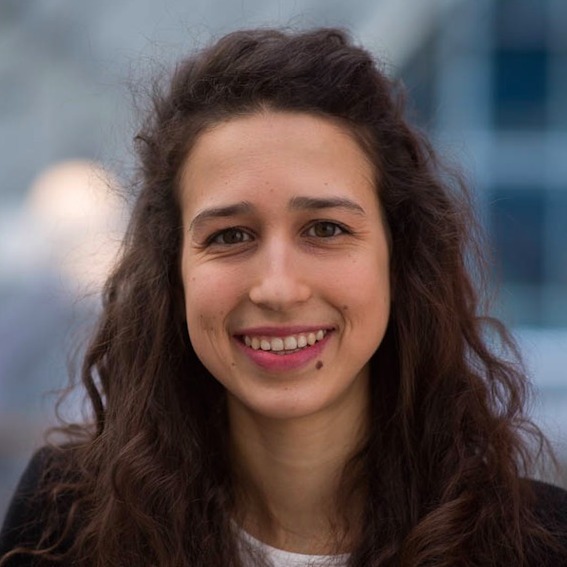
Galina Gheihman, MD
Assistant Professor of Neurology, Harvard Medical School
General Neurologist, Mass General Brigham
Galina Gheihman, MD is an Assistant Professor of Neurology at Harvard Medical School and a general neurologist at Mass General Brigham, in Boston, MA. Dr. Gheihman earned her medical degree at Harvard Medical School. She completed her adult neurology residency in the Mass General Brigham Neurology Program, where she served as Chief Resident in 2023-2024. Dr. Gheihman is founder of the NeuEJM Medical Education Journal Club, co-founder of the NeuroHumanities Network, co-leader of the Medical Education Track in the MGB Neurology Residency, and co-director of the Neurology for the Non-Neurologist CME course at MGB. Dr. Gheihman is pursuing a Master of Science in Medical Education at Harvard Medical School. Her research interests including clinician educator career development, arts & humanities, teaching the non-neurologist, clinical uncertainty, and technology, innovation, and AI in medical education. She is founder and host of Neuropraxis: The Neurology Educator’s Podcast. She loves to mentor, teach, and share her enthusiasm for neurology with others.
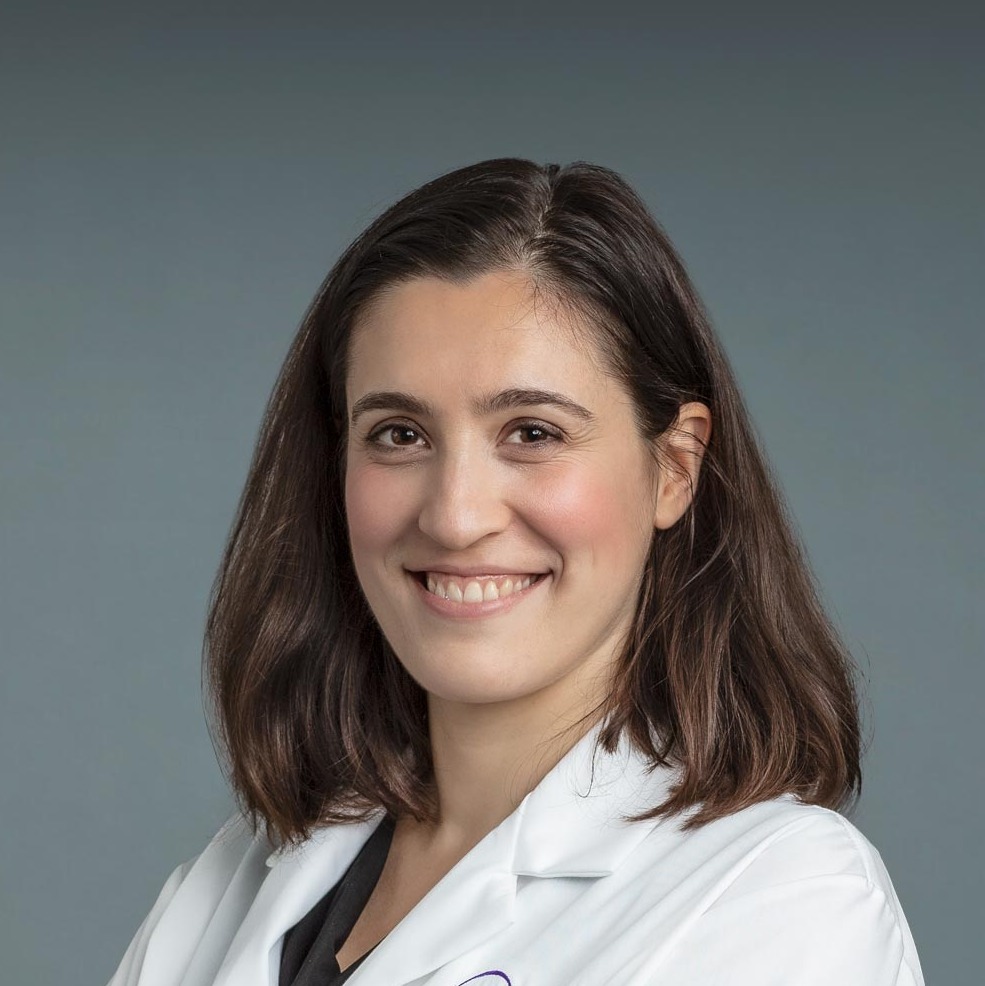
Doria Gold, MD
Clinical Assistant Professor, Department of Neurology, NYU Grossman School of Medicine
Neuro-Ophthalmologist / Neurologist, NYU Langone
Doria M. Gold, MD is a Clinical Associate Professor of Neuro-Ophthalmology at the NYU Grossman School of Medicine, where she completed her neurology residency and neuro-ophthalmology fellowship after completing medical school at the Perelman School of Medicine at the University of Pennsylvania. She treats patients with a broad range of conditions including neuro-inflammatory diseases that affect the optic nerves and visual pathways. She is sub-investigator on two studies focusing on treatment of acute optic neuropathies at NYU.
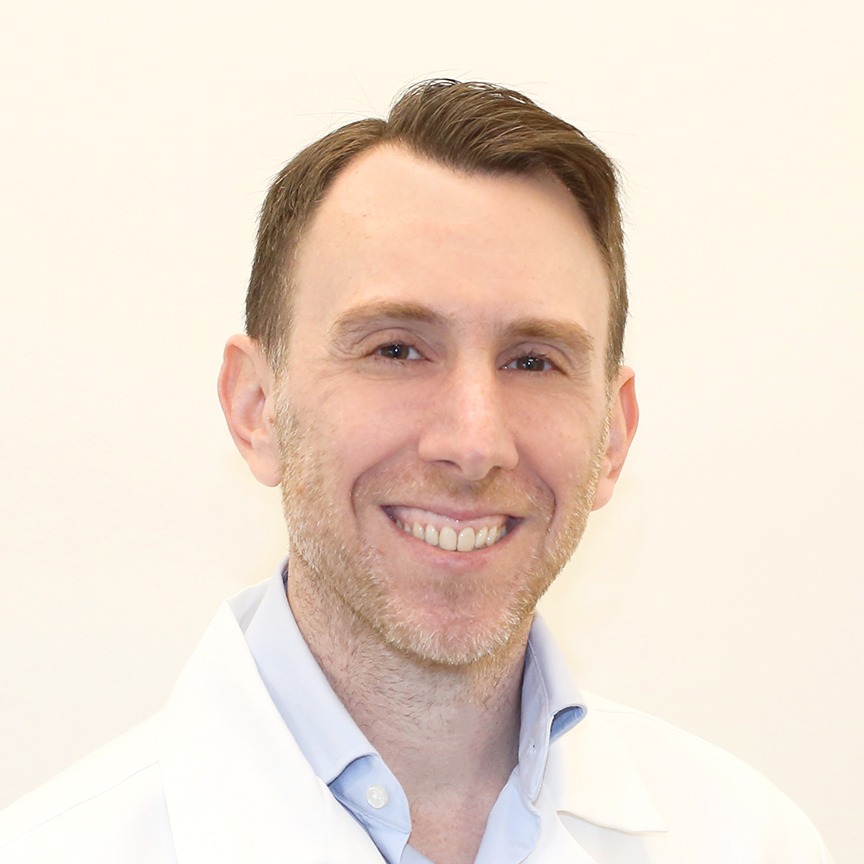
Nuri Jacoby, MD, FAAN
Vice-Chair of Neurology, Maimonides Medical Center Co-Clerkship Director & Associate Professor of Clinical Neurology, SUNY Downstate Medical Center
Nuri Jacoby is the Vice Chair of Neurology at Maimonides Medical Center and co-clerkship director at SUNY Downstate Health Sciences University. He is an Associate Professor of Clinical Neurology. He graduated from medical school at SUNY Downstate Health Sciences University after which he completed a neurology residency and electrophysiology/EMG fellowship at Weill Cornell. He partnered with Dr. Yaacov Anziska to establish a satellite Muscular Dystrophy Association (MDA) clinic at Maimonides Medical Center. Dr. Jacoby has won multiple teaching awards, including the SUNY Downstate College of Medicine Outstanding Affiliate Educator of the Year award in 2019 and the SUNY Downstate Neurology Residency Teacher of the Year award in 2023. Dr. Jacoby’s research focuses on medical education and resident-as-teacher initiatives, including the development of curricula and simulations for resident education. He received an ABPN Faculty Innovation in Education grant in 2020 and recently received an American Academy of Neurology Education grant this year.
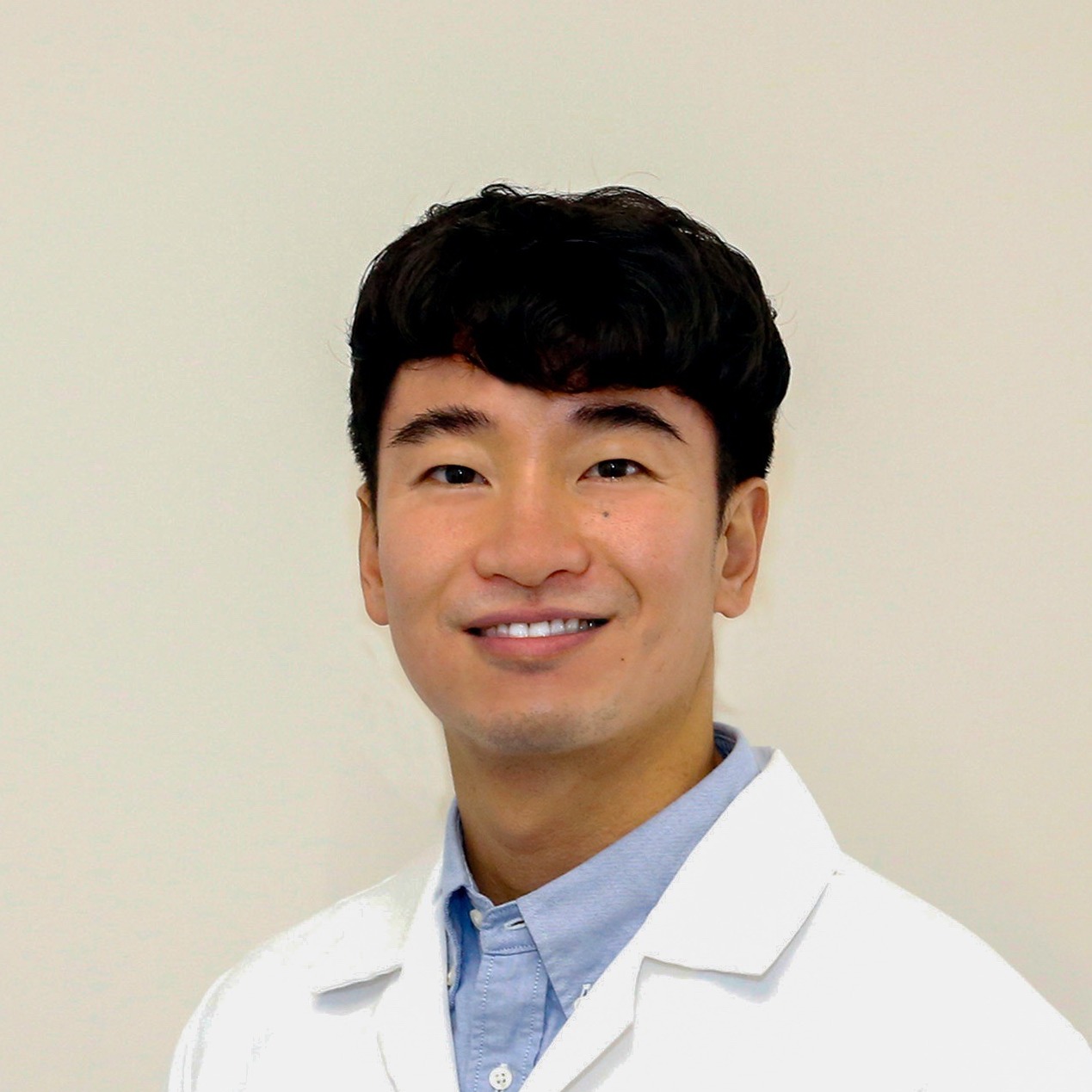
Alexander Jonokuchi, MD
Director of Pediatric Neuroimmunology and Child Neurology Residency Program Director, Maimonides Medical Center
Professor of Neurology, SUNY Downstate Health Sciences University
Dr. Jonokuchi is an attending physician in pediatric neurology at Maimonides and Assistant Professor of Neurology at SUNY Downstate, specializing in adult and pediatric demyelinating and neuroinflammatory disorders. He serves as Site Director for Pediatric Neurology training at Maimonides. After completing his residency in pediatric neurology at NewYork Presbyterian / Columbia University Irving Medical Center, he was awarded a National Multiple Sclerosis Society Clinical Care Physician Fellowship award and completed his fellowship at NYU Langone under Dr. Lauren Krupp, the founder of the first pediatric MS center in the United States. As a member of the Myelin Oligodendrocyte Glycoprotein Antibody-associated Disease (MOGAD) International Research Consortium, his primary research interest is improving recognition of less common phenotypes in MOGAD and other neuroimmunological conditions in children.
Ben Morrison, MD
Attending Physician, Maimonides Medical Center
A New York native, Dr. Benjamin Morrison graduated from Oberlin College with a BA in religion, concentrating in Sanskrit and biblical literatures, and then attended SUNY Downstate in Brooklyn, NY for medical school, internship, residency in neurology, and fellowship in clinical neurophysiology. He subsequently trained in cognitive and behavioral neurology at Boston University and VA Boston, where he specialized in novel immunologic treatment of Alzheimer’s Disease, before moving to Massachusetts General Hospital as a fellow of interventional neuropsychiatry and neuromodulation, where he specialized in the use of ECT in medically and neuropsychiatrically complex and brittle patients and beyond its classic indications. He has studied psychoanalysis at the New York Psychoanalytic Institute and is an active clinical fellow of the International Neuropsychoanalysis Society. His clinical interests are disorders of language, functional neurologic disorders, and catatonia. He is currently a cognitive neurologist at Maimonides Medical Center.
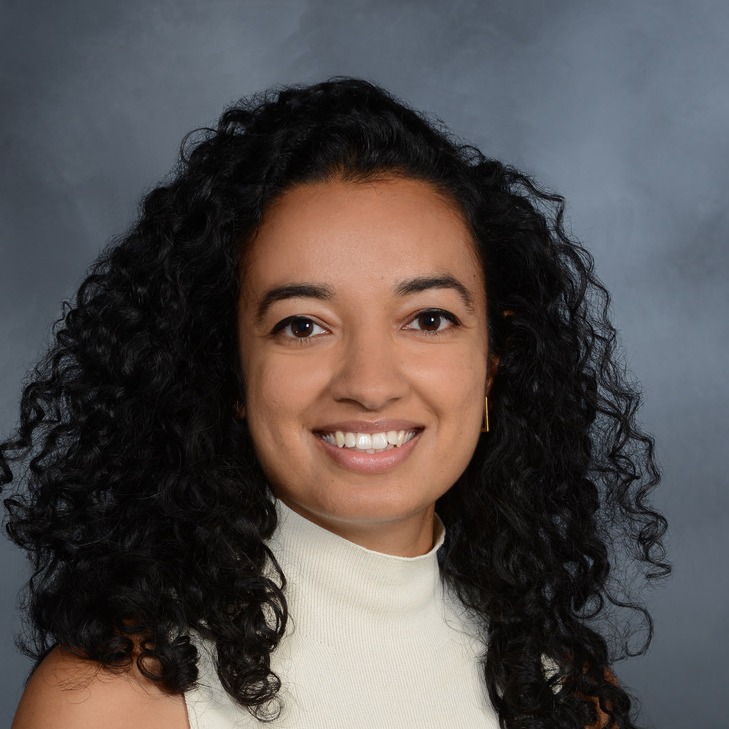
Arathi Nandyala, MD
Assistant Professor of Clinical Neurology, Weill Cornell Medicine
Dr. Nandyala is an Assistant Professor of Clinical Neurology at Weill Cornell Medicine, specializing in Headache Medicine. She earned her medical degree from the University of South Florida. She then completed her neurology residency at MedStar Georgetown University Hospital, where she served as chief resident during her final year. Subsequently, she completed her fellowship training in headache and facial pain at Stanford University.

Daniel Rosenbaum, MD
Distinguished Service Professor & Chair of Neurology, SUNY Downstate Health Sciences University
Regional Chair of Neurology, Maimonides Medical Center
Prior to his appointments at SUNY Downstate Health Science University and Maimonides Medical Center, Dr. Daniel M. Rosenbaum was Vice Chair of the Department of Neurology at Albert Einstein College of Medicine where he served as Professor of Ophthalmology and Neurology, and Associate Professor of Neuroscience. He also has held the positions of Site Director of the Albert Einstein College of Medicine, and Director of the Stern Stroke Center at Montefiore Medical Center. He earned his medical degree from Albert Einstein College of Medicine; completed his internship at Brookdale Medical Center; his residency at Albert Einstein College of Medicine, where he was Chief Resident in the Department of Neurology; and a fellowship in cerebrovascular disease at University of Texas Medical School in Houston. Recognized as a Castle Connolly Top Doctor, he has been honored with the Clinical Investigator Developmental Award by the National Institute of Neurological Disorders and Stroke and has published more than 80 articles in all the major peer-reviewed journals. He is a member of the American Academy of Neurology, American Neurological Association, Society for Neuroscience, Stroke Council of the American Stroke Association, Association for Research in Vision and Ophthalmology and the International Society of Cerebral Blood Flow and Metabolism.