

Medical nutrition therapy tailored to fit your life
What you eat plays a big role in how you feel and how well you manage your health. At the Nutrition Center at Maimonides Health, a registered dietitian works one-on-one with you to build an eating plan that fits your health needs, your culture, and the way you live.
We care for adults ages 18 and older with a range of health concerns, including prediabetes, heart disease, high blood pressure, high cholesterol, digestive problems, and menopause. Together, we’ll set goals, work through what’s getting in your way, and track your progress over time.
Most insurance plans cover nutrition therapy. Please check with your plan to confirm your coverage.
Why choose the Nutrition Center
We look at nutrition as one part of your whole health, and we work closely with your doctor so your care stays connected.
- A plan built around you: Your nutrition plan reflects your health goals, your food traditions, your schedule, and the foods you enjoy. There’s no one-size-fits-all diet here.
- Care that connects with your doctor: We keep the doctor who referred you updated on your progress. If you need more support, we can connect you with other Maimonides specialists, such as physical therapy, behavioral health, or endocrinology.
- Progress you can see: We track your progress with body composition testing and blood tests, so you and your care team can see how your plan is working.
- Support that keeps going: Your dietitian stays with you over time, offering encouragement and adjusting your plan as your needs change.
Personalized nutrition care for better health
Medical nutrition therapy uses food and eating habits as part of your treatment plan. Your dietitian will get to know you, understand your health, and create a plan you can stick with. Our services include:
Nutrition assessment and planning
- Medical nutrition therapy
- A review of your health, eating habits, and daily routine
- Personalized nutrition plans that fit your culture, lifestyle, and food preferences
- Goal setting for weight and overall health
Progress tracking
- Body composition analysis to measure body fat and check metabolic health
- Blood test monitoring to track changes over time
- Plan adjustments based on your progress
Ongoing support and coordinated care
- Follow-up visits for support and motivation
- Help working through challenges that make healthy eating hard
- Coordination with your referring doctor
- Referrals to other specialists, such as physical therapy, behavioral health, and endocrinology
Conditions we help manage
Changes to what you eat can make a real difference for many health conditions. Here’s how our dietitian can help.
Weight and metabolic health
- Obesity and weight management: We help you set realistic goals and build eating habits you can keep, without giving up the foods and traditions that matter to you.
- Prediabetes and diabetes: The right food choices can help keep your blood sugar in a healthy range. With prediabetes, they can also lower your chances of developing type 2 diabetes. If you have diabetes, we can help you through our Diabetes Education Program.
Heart health
- Heart disease: A heart-healthy eating plan can help protect your heart and support the treatment your doctor recommends.
- High blood pressure (hypertension): Cutting back on salt and adding more fruits, vegetables, and whole grains can help bring your numbers down.
- High cholesterol: We’ll show you which foods can help lower your cholesterol and which ones to limit.
Digestive health
- Stomach and digestive (gastrointestinal) issues: We help you figure out which foods ease your symptoms and which ones may make them worse.
Women’s health
- Polyendocrine metabolic ovary syndrome (PMOS, previously called PCOS): Changes to your diet can help you manage your weight, blood sugar, and other PCOS symptoms.
- Menopause: As your body changes, we’ll help you adjust how you eat to support your heart, your bones, and a healthy weight.
Many other health concerns can improve with changes to what you eat. If you think nutrition therapy could help, talk with your doctor.
Your care team
Your dietitian takes time to listen, learn what matters to you, and turn nutrition science into simple steps you can use every day. You’ll have a partner who helps you stay on track and celebrates your progress along the way.
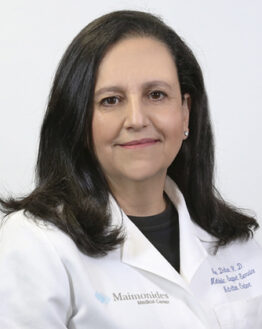
Nina Dahan, MS, RDN, CDN
Registered dietitian nutritionist
What to expect
At your first visit, your dietitian will talk with you about your health, your goals, and your current eating habits. You may have a body composition analysis to get a starting picture of your metabolic health. Together, you’ll create a nutrition plan that fits your needs, your culture, and your daily routine.
At follow-up visits, you’ll review your progress, talk through any challenges, and fine-tune your plan. Your dietitian may repeat body composition testing and review your blood test results to see how your plan is working. We’ll keep your doctor updated too.
Ready to get started?
To make an appointment at the Nutrition Center, you’ll need a referral from your doctor. Any doctor can refer you. Once you have a referral, call 718-283-7129 to schedule your visit.